The Allure of the Forbidden
Updated: Aug 30
Some of the world's most desirable experiences share a common characteristic:
They feel exclusive, hidden, and just slightly out of reach.
Whether it's a private members' club, a secret speakeasy, or an invitation-only event, scarcity and mystery have always played a powerful role in shaping perception. Long before luxury brands mastered the art of exclusivity, people were drawn to places that felt undiscovered.

This idea became the foundation of our work on Bootleggers.
Commissioned by a Hong Kong-based hospitality group, the project involved developing a brand identity and launch campaign for a new whiskey and cocktail lounge inspired by the American Prohibition era. While the concept naturally referenced the history of bootlegging and underground drinking culture, the challenge was not to recreate the past. It was to reinterpret it for a contemporary audience.
The danger with themed hospitality concepts is that they can quickly become theatrical. Historical references often drift into cliché, relying on costumes, nostalgia, or visual stereotypes that feel disconnected from modern luxury expectations.
Our objective was different.

Rather than focusing on Prohibition as a historical event, we focused on the emotional appeal that made the era so culturally fascinating in the first place. During Prohibition, alcohol became more than a drink. It became a symbol of rebellion, freedom, risk, and social connection. The hidden bars and underground venues that emerged during this period offered something people continue to seek today: the feeling of discovering something special.
This became the strategic lens through which the brand was developed.
The visual identity balanced refinement with attitude, combining the sophistication expected of a luxury hospitality experience with subtle references to outlaw culture and underground networks. Every element was designed to create intrigue without becoming overt, allowing guests to feel as though they had gained access to something exclusive rather than simply entered another cocktail bar.

For the launch campaign, we embraced a more cinematic approach. Rather than documenting the venue directly, we focused on atmosphere, suggestion, and anticipation. Glossy imagery, dramatic lighting, and carefully composed scenes created a sense of mystery, allowing audiences to imagine themselves within the experience rather than simply observe it.
This approach reflects a broader truth about luxury branding.
The most compelling brands rarely reveal everything. They leave space for curiosity. They invite participation rather than providing all the answers. In a world of constant exposure and endless content, mystery has become an increasingly valuable asset.

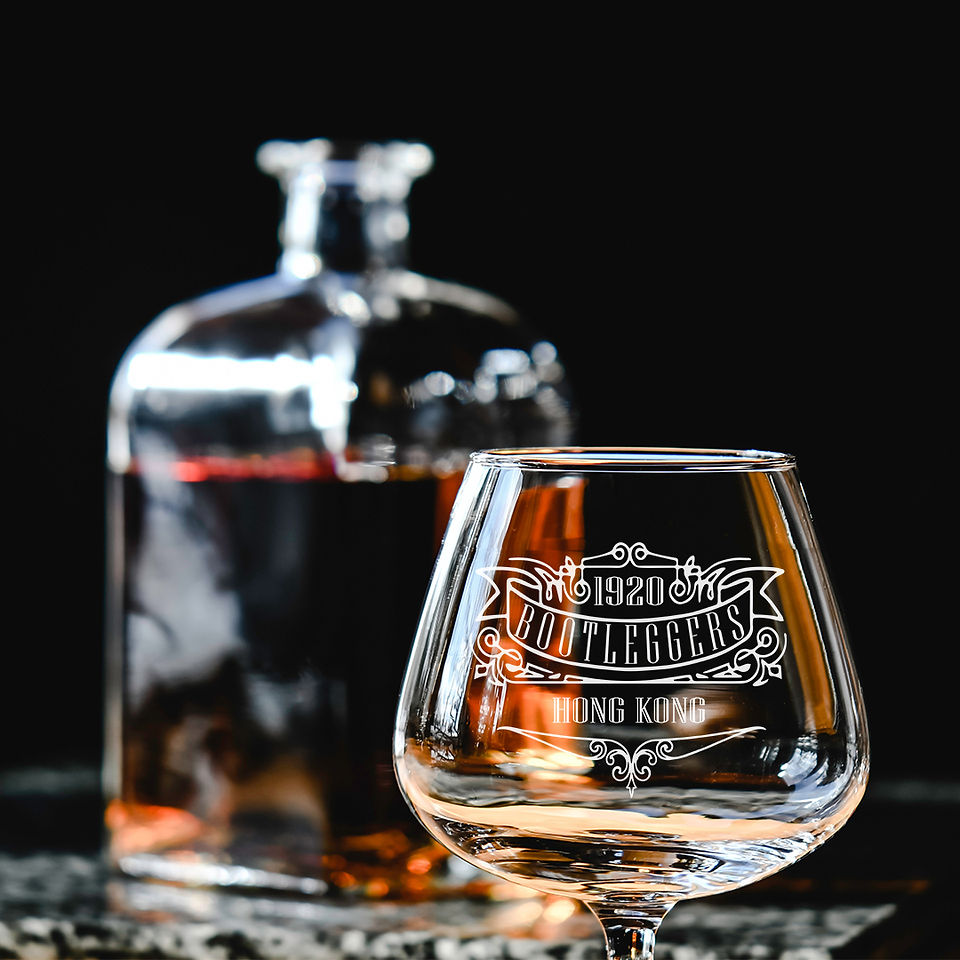


The Bootleggers project reinforced an idea that continues to influence my work today: people are often drawn not only to what is exclusive, but to what feels discovered.
Because luxury is rarely about access alone.
It is about the story people tell themselves once they gain it.